Jelly Cat: A Sweet and Friendly Handwritten Font for Every Creative
Finding a font that feels genuinely personal can be a challenge. You want something that carries warmth and authenticity without looking messy or unprofessional. That's the sweet spot where Jelly Cat lives. This isn't just another script font; it's a carefully crafted typeface designed to inject a friendly, approachable energy into your work. Its natural flow and unique character make it a surprisingly versatile asset for designers, entrepreneurs, and creators who need to connect with their audience on a human level.
The Visual Personality of Jelly Cat
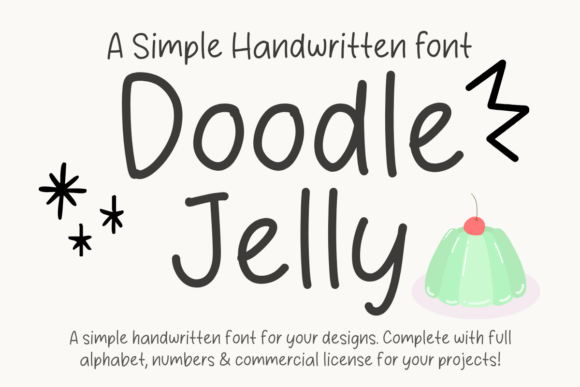
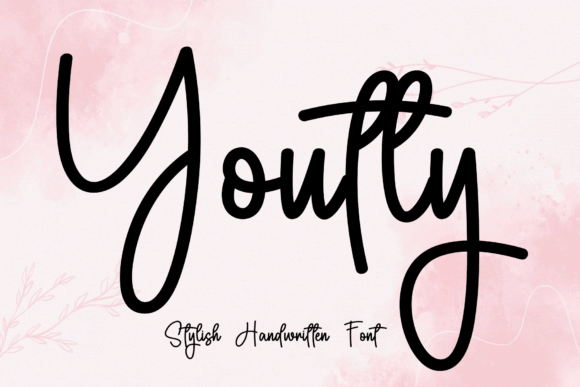
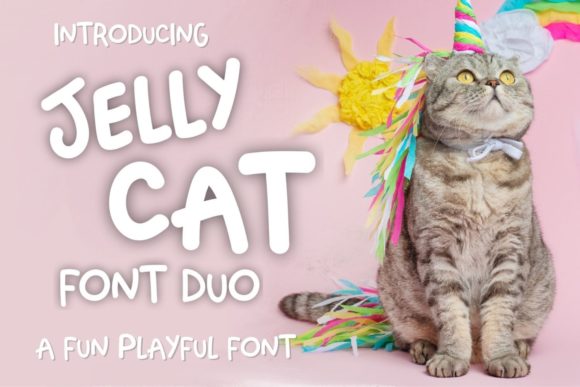
At first glance, Jelly Cat feels like a note from a friend. The letterforms have a gentle, organic rhythm, mimicking the slight imperfections of real handwriting without sacrificing legibility. Each character connects with a soft, flowing baseline, creating a sense of cohesion and movement. The strokes are neither too thick nor too thin, offering a balanced visual weight that works beautifully at various sizes. It’s this blend of casual charm and thoughtful design that gives the font its distinctive appeal.
Unlike rigid, geometric sans serif fonts or overly formal serif fonts, Jelly Cat communicates approachability. It avoids the overly polished, sometimes sterile feel of modern typography, instead offering a human touch. This personality makes it incredibly effective for projects where building trust and relatability is key. It’s a creative font that doesn’t try to shout; it invites you in for a conversation.
Where This Handwritten Font Truly Shines
The versatility of Jelly Cat is one of its greatest strengths. It’s not a one-trick pony confined to a single design niche. Think of it as a foundational design asset that can adapt to your project’s needs.
Branding and Logo Design
For small businesses, artisanal brands, and personal projects, a logo sets the entire tone. Using Jelly Cat in your logo design immediately signals that your brand is friendly, approachable, and values a personal connection. It works wonderfully for bakeries, boutique shops, lifestyle blogs, coaching services, and any business where the owner’s personality is part of the brand identity. It helps build a brand identity that feels authentic and memorable.
Marketing and Social Media Graphics
In the fast-paced world of social media, grabbing attention is crucial. The distinct style of Jelly Cat can make your social media graphics, Instagram stories, and Facebook ads stand out in a crowded feed. Its handwritten quality draws the eye, making it perfect for quotes, call-to-action phrases, and highlighting key messages. When used in email marketing headers or promotional flyers, it adds a personal touch that can increase engagement and click-through rates.
Publishing and Editorial Design
Don't underestimate the power of a well-chosen display font in publishing. While body text demands a highly legible serif or sans serif font, chapter titles, pull quotes, and subheadings in magazines, blogs, or even book covers can benefit from the warmth of Jelly Cat. It breaks up the monotony of text-heavy layouts, adding visual interest and guiding the reader’s eye to important sections. For editorial design focused on lifestyle, food, or wellness, it’s a perfect fit.
Packaging and Product Design
On a shelf or in an online store, packaging tells a story. Jelly Cat can help tell that story with a personal flair. Imagine it on a label for homemade jam, a tag for a hand-knitted scarf, or the packaging for a natural skincare line. It communicates care, quality, and a handmade ethos. For crafters and hobbyists selling on platforms like Etsy, using a premium font like this can instantly elevate the perceived professionalism of their products.
Practical Guidance for Using Jelly Cat Effectively
Adopting any new typeface requires a thoughtful approach. Here’s how to integrate Jelly Cat into your projects for the best results.
Evaluating Project Fit and Readability
First, consider the context. Is your primary goal to convey warmth and personality? Then Jelly Cat is likely a strong candidate. However, readability is paramount. Always test the font at the size it will be used. A font that looks charming in a headline might become difficult to read in a long paragraph. Use it for short bursts of text—headlines, logos, captions, and call-outs—where its character can shine without hindering comprehension.
Mastering Font Pairing
A great font pairing creates balance and hierarchy. The flowing, informal nature of Jelly Cat pairs exceptionally well with clean, simple typefaces. A classic sans serif font like Helvetica, Open Sans, or Montserrat provides a stable, readable foundation for body text, allowing the handwritten font to command attention in headings. For a different feel, pairing it with a simple, modern serif font can create a sophisticated yet approachable contrast. The key is to let Jelly Cat be the star of the show, supported by a quieter companion.
Understanding Licensing and Included Styles
Before finalizing your design, always review the font’s licensing. Ensure the license covers your intended use, whether it’s for a personal blog, client work, or commercial products. A quality premium font will come with clear terms. Also, explore what’s included in the font family. Does it offer multiple weights, stylistic alternates, or extra glyphs? These features can provide additional flexibility, allowing you to fine-tune the look and feel for different applications within the same project.
Jelly Cat is more than just a collection of letters; it’s a tool for communication. Its sweet, friendly style offers a direct way to infuse your designs with personality and warmth. By understanding its strengths and applying it thoughtfully, you can create work that not only looks beautiful but also resonates deeply with your audience. The only limit, as they say, is your imagination.